
Curriculum and Assessment
Introduction
Curriculum reform is one of our key focus areas. We support the development and enhancement of curricula at various educational levels, including basic schools, secondary education, teacher education, and Bachelor of Education programs. We work with relevant government agencies such as the National Council for Curriculum and Assessment (NaCCA), Ghana Tertiary Education Commission and West African Examination Council.
Curriculum reform also involves supporting West African Examinations Council (WAEC) and NaCCA to introduce assessment system which make provision for more varied and rounded forms of assessment - such as portfolios and project work- which are often more inclusive than written examinations.
Structure:
Our specific areas of support to the Ministry of Education, NaCCA and WAEC in curriculum reform has been on:
Basic School Curriculum Development:
Our support to NaCCA has enabled NaCCA to develop the Standards Based Curriculum which is aligned with contemporary educational standards, promote critical thinking, creativity, and equip students with essential foundational skills. The curriculum focuses on building character and nurturing values, in addition to ensuring a seamless progression for all learners from JHS to SHS and creates clear pathways for academic and career-related programmes.
Secondary Education Curriculum Development:
Building on the basic school curriculum, we are supported the Ministry of Education through NaCCA to enhance the quality and relevance of secondary education by developing a secondary education curriculum that will ensure that secondary school graduates are equipped with the skills and competencies to competencies necessary succeed in the world of work, further studies and adult life.
Our support ensured the availability of a team of experts and subject specialists who integrated emerging global trends, best practices, locally salient issues, gender equality and social inclusion, shared national value, social and emotional learning, 21st century skills into the curriculum.
The new curriculum emphasises the integration of STEM subjects, ICT, and practical activities to empower learners for the challenges of the modern world.
STEM Curriculum Development:
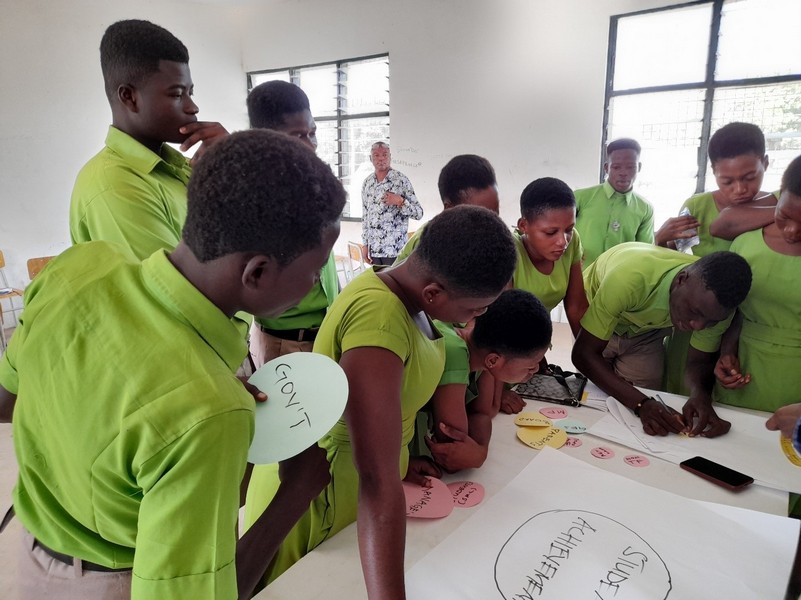
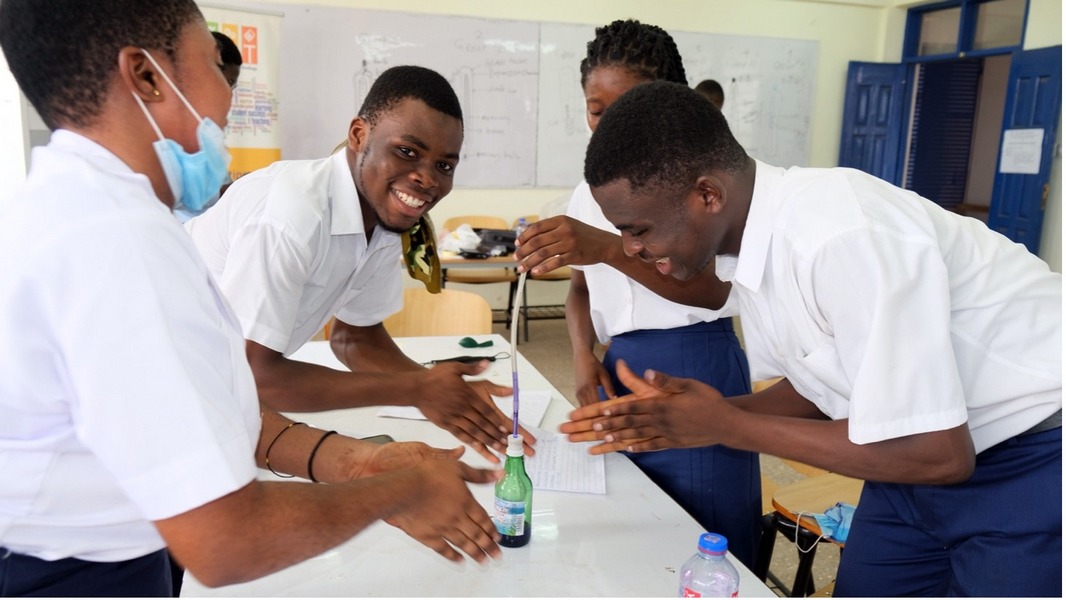
In recognition of the growing importance of STEM (Science, Technology, Engineering, and Mathematics) education and the establishment of STEM schools, we supported the Ministry of Education to develop a STEM Education Policy and a STEM curriculum. The Curriculum fosters inquiry-based learning, problem-solving, and critical analysis. It further focuses on integrating real-world applications, hands-on experiences, and collaborative projects to inspire students' interest in STEM fields.
One-Year Pedagogical Curriculum for Non-Teachers:
Each year, about 50,000 National Service Personnel are posted to work as teachers. Whilst a good number of these personnel are graduates of Bachelor of Education Degree courses from Colleges of Education and Universities, there are still some personnel who have received no formal training in pedagogy or teaching education.
To provide training to national service personnel, we supported the National Teaching Council and the National Service Secretariat to develop a comprehensive one-year pedagogical curriculum for non-teachers.
This specialised program equips graduates with pedagogical knowledge, classroom management skills, and effective communication strategies. The programme is designed to cover basic aspects of essential pedagogies, professional practice, values and ethics as well as the use of ICT in education and assessment practices in schools.
Teacher Education Curriculum Development:
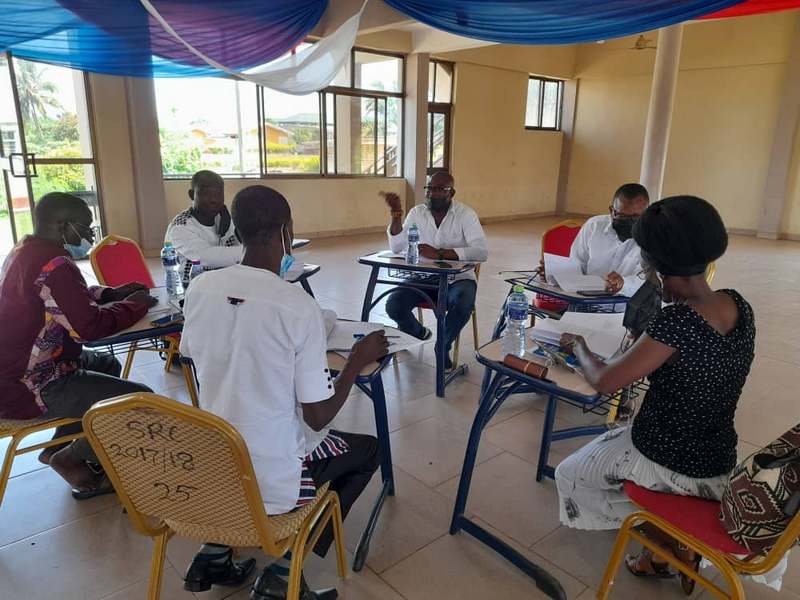
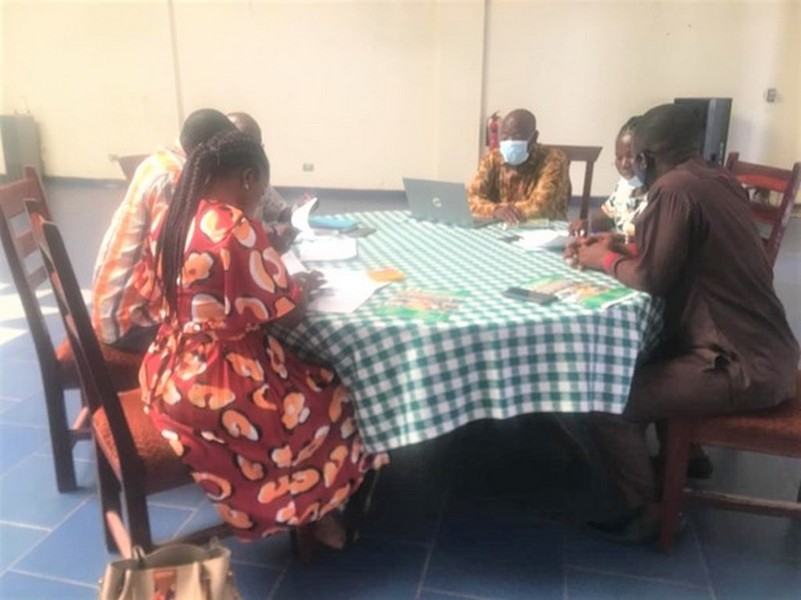
T-TEL is supporting the National Teaching Council, the Ghana Tertiary Education Commission, and the universities in the development of a revised Teacher Education curriculum. This curriculum is essential to ensure that student teachers are equipped with the skills needed to effectively implement the new secondary education curriculum
Bachelor of Education Curriculum Development:
Aspiring educators require rigorous and relevant training to become transformative teachers, so educational institutions must ensure that Bachelor of Education curricula uphold the highest standards of excellence. T‑TEL supports this by providing expert teams who collaborate with academia and industry specialists to help design comprehensive programs that integrate pedagogical theory, practical experiences, and specialized content knowledge.
Development of Relevant Materials:
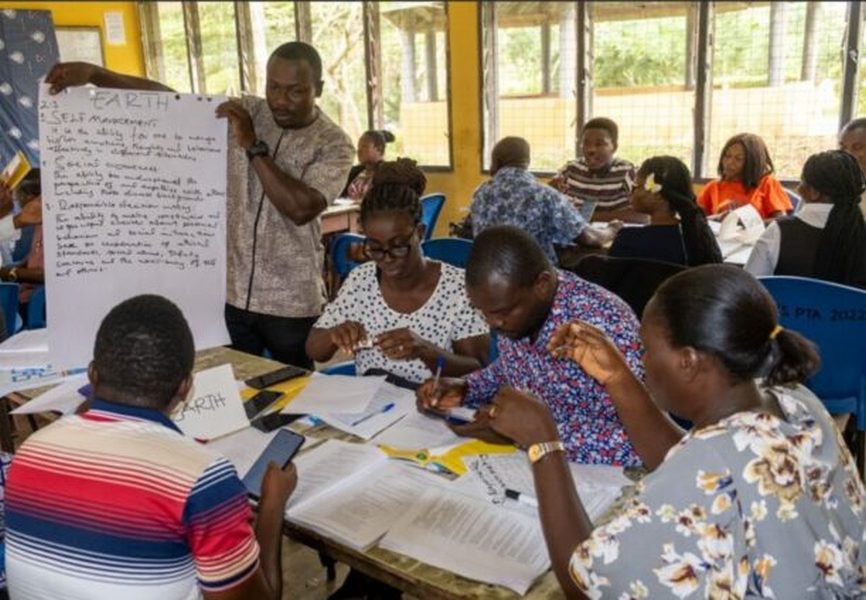
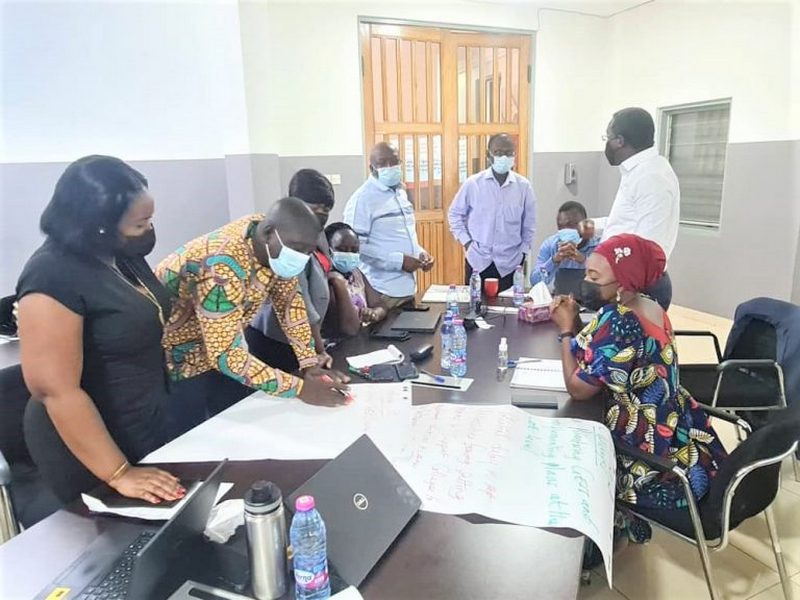
To complement the curriculum development efforts of the Ghana Education Service, National Teaching Council and the National Council for Curriculum and Assessment, T-TEL supported to develop a wide range of relevant materials and resources to support the effective implementation of the curricula developed. These include:
· the production of new secondary education curriculum-related CPD materials, to enhance practical teaching & learning including digital literacy, and
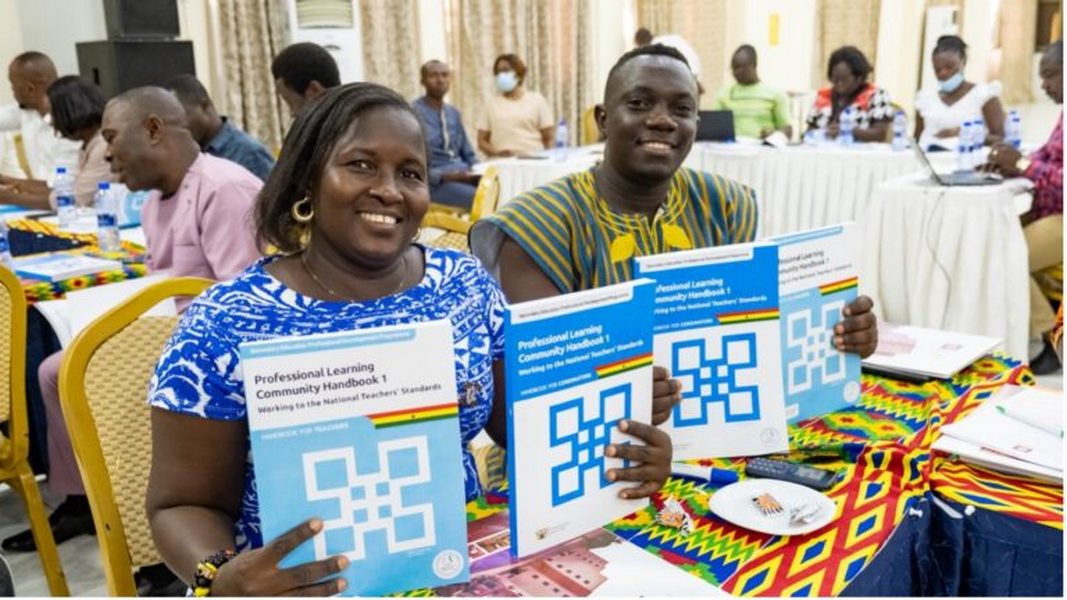
· developing of professional development handbooks to support professional learning community sessions,
· and additional materials on assessment, guidance and counselling, employability skills etc.